Logistics for Cross-Border Transport Projects
International Junk Removal in Minneapolis for residential and commercial customers with qualifying removal and transport needs
International transport and logistics for removal projects involve planning, coordination, and secure handling when items must cross national borders for disposal or relocation, and AW mobile service assists with qualifying projects that meet regulatory and documentation requirements. Complex moves tied to business relocations, estate settlements with international property holdings, or diplomatic and military transitions require organized transportation that accounts for customs procedures, border crossing protocols, and destination-country disposal regulations. Communication throughout every stage prevents delays caused by incomplete documentation or misunderstandings about material restrictions at international checkpoints.
Planning begins with understanding destination requirements, since countries maintain different rules for what materials can enter, how items must be documented, and what disposal facilities are available once goods arrive. Secure handling during loading protects items through extended transport that may involve multiple carriers, border inspections, and storage at intermediate points. Coordination accounts for time zone differences, language considerations, and the need for translated documentation in some cases.
Discuss international removal needs to determine project feasibility and receive planning guidance specific to your destination country.
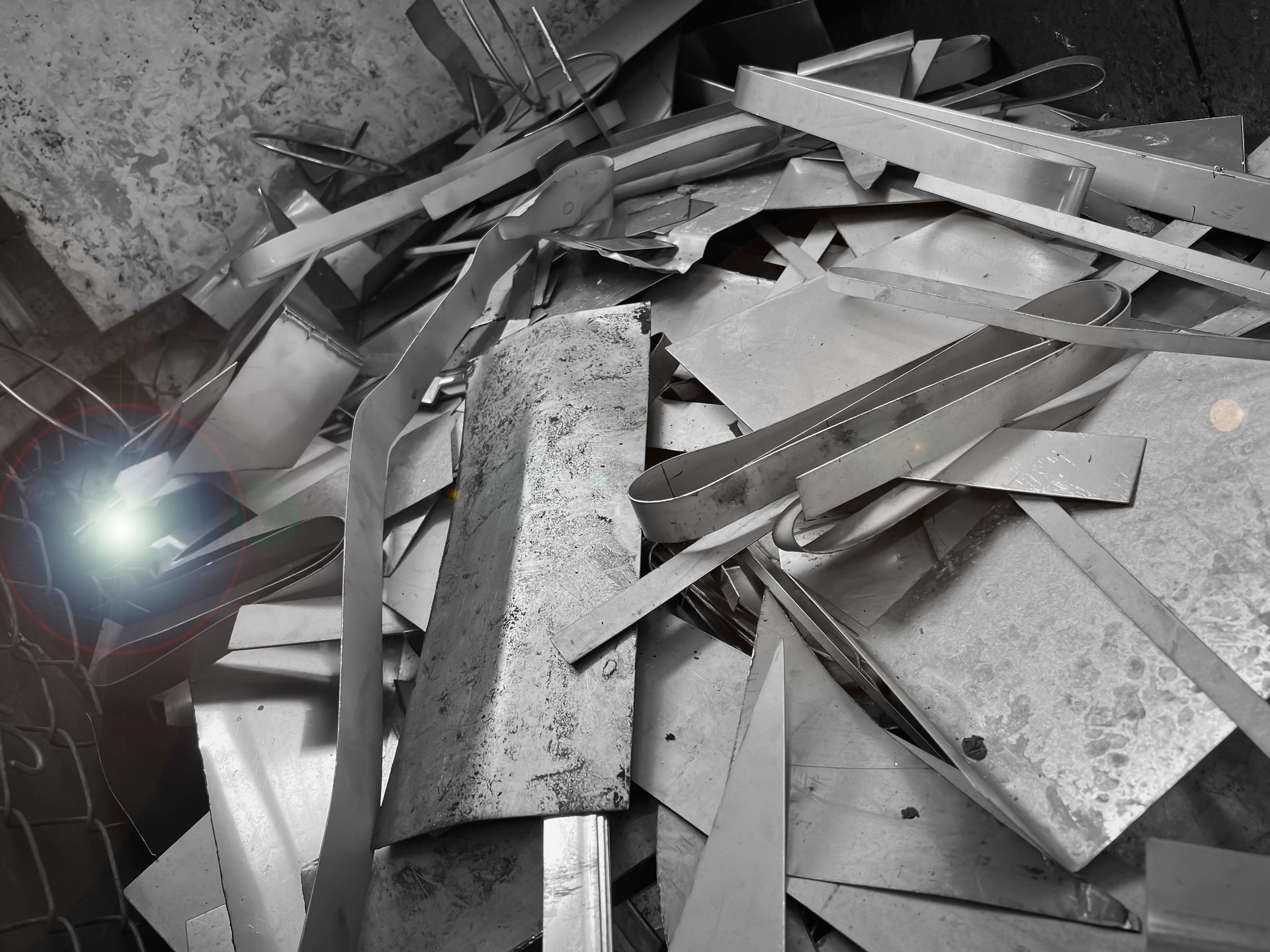
What International Projects Involve
Customized planning evaluates the type of materials being transported, the destination country's import and disposal regulations, and the documentation required to satisfy customs authorities at border crossings. Loading techniques prioritize secure packaging that withstands longer transport durations, and weight distribution accounts for international shipping containers or freight vehicle requirements. Coordination with freight carriers, customs brokers, or international moving specialists ensures that all parties understand timelines and documentation responsibilities before transport begins.
After international removal is complete, documentation such as bills of lading, customs clearance receipts, and disposal verification from destination facilities provides the legal record that items were transported and handled according to both U.S. export rules and destination-country import rules. Properties in the United States are cleared of items that would otherwise require complex international disposal coordination, and customers receive confirmation that goods arrived and were processed appropriately at their final destination.
Projects involving controlled goods, hazardous materials, or items subject to export restrictions require specialized licensing and are referred to certified international freight handlers with the necessary permits and bonding. Estimates for international work reflect the significantly higher complexity compared to domestic removal and include consultation to assess regulatory feasibility before committing to transport.
Frequent Questions About International Transport
Customers coordinating international moves or estate settlements across borders need detailed answers about documentation, timelines, and regulatory compliance.
What qualifies as an international junk removal project?
Cross-border transport of furniture, equipment, or goods being removed from U.S. properties and relocated or disposed of in another country, typically tied to business relocations, diplomatic moves, estate settlements with foreign property, or military reassignments requiring household goods transport.
How long do international removal projects take?
Timelines vary widely based on destination, ranging from several weeks for Canadian border crossings to months for overseas destinations requiring ocean freight, customs processing, and coordination with destination-country disposal or receiving facilities.
What documentation is required for international transport?
Commercial invoices, packing lists, customs declarations, proof of ownership for certain goods, and destination-country import permits when applicable, with specific requirements varying by country and the nature of the items being transported.
How does disposal work in the destination country?
Coordination with local waste management authorities, recycling centers, or licensed disposal facilities in the receiving country ensures materials are handled according to that nation's environmental regulations, and documentation of disposal is provided when required for legal or financial record-keeping.
What additional costs apply to international projects compared to domestic removal?
Customs brokerage fees, international freight carrier charges, border inspection costs, currency exchange considerations, and increased labor for documentation preparation and coordination all contribute to higher pricing for cross-border transport projects.
AW mobile service provides consultation and coordination for international junk removal projects that meet regulatory requirements for cross-border transport. Call (763) 670-5110 to describe your international removal needs and determine whether the project qualifies for coordinated transport and disposal assistance.