Large Appliances Transported Without Surface Damage
Appliance Moving in Anoka County for households and businesses relocating refrigeration units and commercial-grade equipment
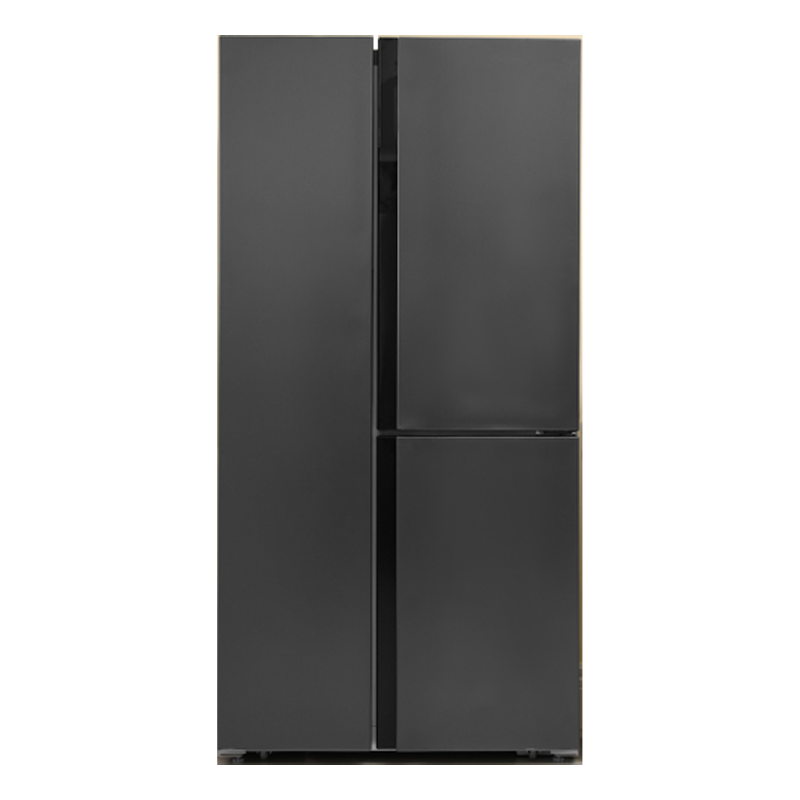
Refrigerators taller than doorways and washing machines heavier than two people can safely maneuver create specific transport challenges during residential moves or commercial kitchen installations. AW mobile service provides appliance moving in Anoka County when standard furniture dollies lack the weight capacity for commercial-grade units or when tight staircases require appliances to travel at angles that risk compressor damage in refrigeration systems. The handling technique changes based on whether appliances contain sealed refrigerant systems that fail when tilted past manufacturer-specified angles.
Appliance moving involves more than loading and unloading—it requires understanding which models use compressor mounting systems that tolerate lateral movement and which need upright positioning throughout transport. Protective materials prevent handle assemblies from gouging walls during narrow hallway navigation, while strapping methods distribute pressure away from control panels and glass surfaces that crack under point-load stress.
Schedule appliance moving services to arrange transportation that accounts for your specific unit dimensions and building access conditions.
Why Appliance Handling Differs From Standard Furniture
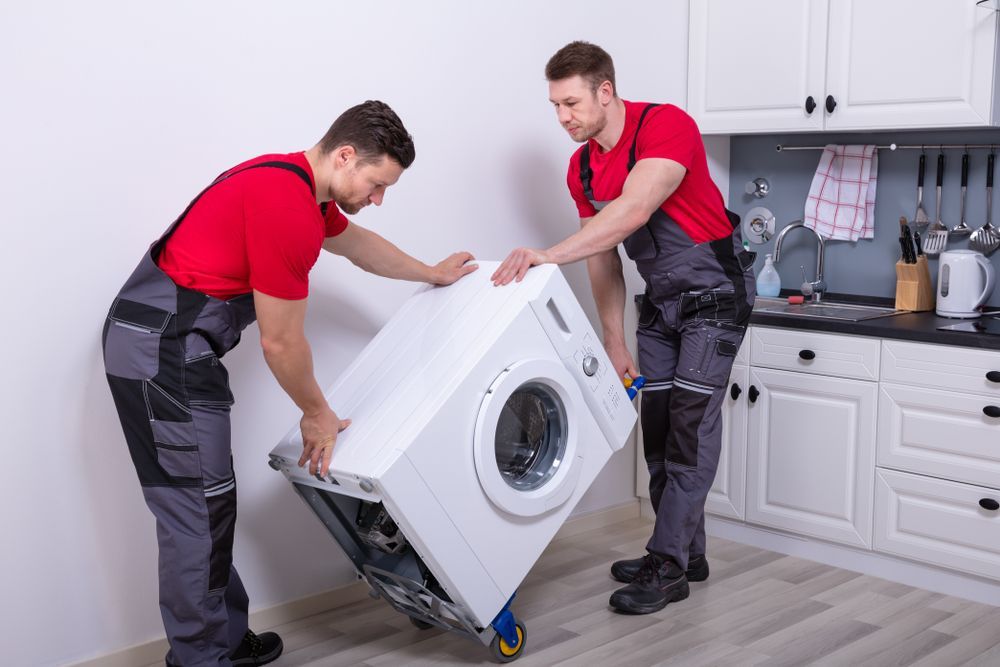
The core difference lies in internal mechanical systems that determine safe tilt angles and resting positions during multi-point moves. Your appliances receive handling based on whether they contain compressors that must remain upright, glass panels that require face protection, or digital control boards mounted in locations vulnerable to impact during doorway transitions. Each appliance type follows a handling protocol developed from manufacturer transport specifications rather than generic moving procedures.
After delivery, your appliances sit level on their intended surfaces without scratched flooring underneath, dented exterior panels, or loosened door hinges that develop over time from rough handling. Control interfaces remain functional because protective barriers prevented impact during the narrow turns required in older Anoka County homes where doorways were built before modern appliance dimensions became standard. You'll notice that refrigerator doors seal properly and washing machine drums spin without the vibration noise that indicates internal mounting damage.
Commercial appliance installations add complexity because restaurant-grade equipment often weighs three times what residential models do, requiring floor protection during transport through dining areas and coordination with utility connection timing so appliances arrive when plumbing and electrical rough-ins are complete but before final inspections.
Common Concerns About Appliance Transportation
Homeowners and business operators frequently ask about preparation requirements and what determines whether appliances can navigate existing building layouts without modification.
What preparation does refrigeration equipment need before moving?
Refrigerators and freezers require complete defrosting at least 24 hours before transport, since residual ice adds weight and creates water leakage during transit. Compressor oil needs time to settle after a unit is unplugged, and door shelves should be removed to prevent internal rattling that loosens mounting brackets.
How do movers protect flooring when transporting appliances weighing over 300 pounds?
Floor protection involves sliding panels or track systems positioned under appliance feet, distributing weight as units move across hardwood, tile, or vinyl surfaces. The material choice depends on whether floors have protective coatings that scratch under point pressure or subfloor structures that flex under concentrated loads.
Why do some appliances require upright positioning during the entire move?
Compressor-based refrigeration systems use oil that flows into refrigerant lines when units tilt beyond 45 degrees, blocking coolant circulation after the appliance is restarted. Upright transport keeps oil in the compressor reservoir where it belongs, preventing the 24-hour settling period otherwise required before powering on.
What doorway dimensions create challenges for standard residential appliances?
Doorways narrower than 32 inches often require door removal or hinge pin extraction to gain the clearance needed for refrigerators exceeding 30 inches in width. Anoka County homes built before 1980 frequently have 30-inch doorways in basements and utility rooms, where newer appliances don't fit without temporary door removal.
How does moving commercial appliances differ from household units?
Commercial units often bolt to floors for stability and connect to dedicated electrical circuits or gas lines requiring licensed disconnection, adding coordination steps before transport begins. The weight difference means commercial appliances need equipment-rated dollies and sometimes two-person Teams for safe maneuvering through kitchen spaces.
AW mobile service handles appliances of all sizes for Anoka County homes, businesses, and storage facility moves. Contact us to arrange transportation that protects your appliances and property surfaces throughout the moving process.